Best Seasons for Concrete Leveling
Concrete levelings are most effectively performed during specific weather conditions to ensure optimal results and durability. Timing can influence the curing process and the longevity of the repair. Understanding seasonal and temperature considerations helps determine the ideal period for concrete leveling projects.
Spring and fall are generally preferred due to moderate temperatures and lower humidity, which aid in proper curing and adhesion.
Ideal temperatures range from 50°F to 85°F. Extreme cold can hinder curing, while excessive heat may cause rapid drying and cracking.
Leveling should be postponed during rain, snow, or high humidity to prevent surface disturbance and ensure proper setting.
Monitoring weather forecasts and scheduling during stable, dry periods helps achieve the best results.
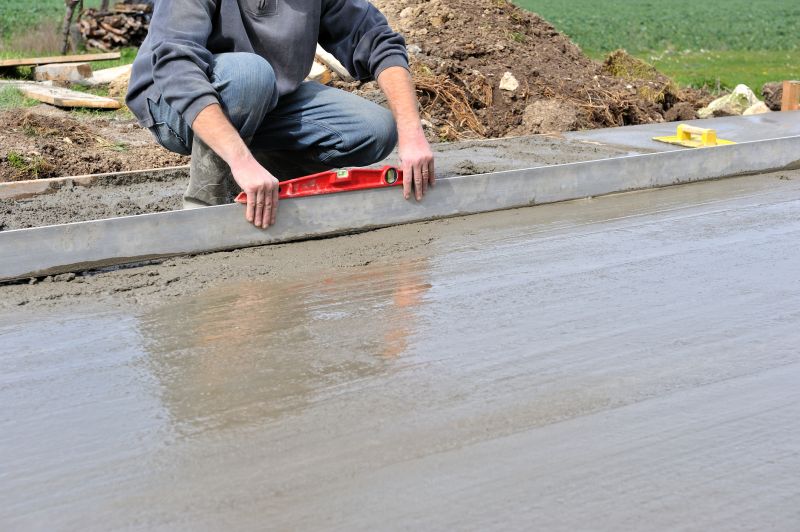
Spring offers moderate temperatures ideal for effective leveling and curing.
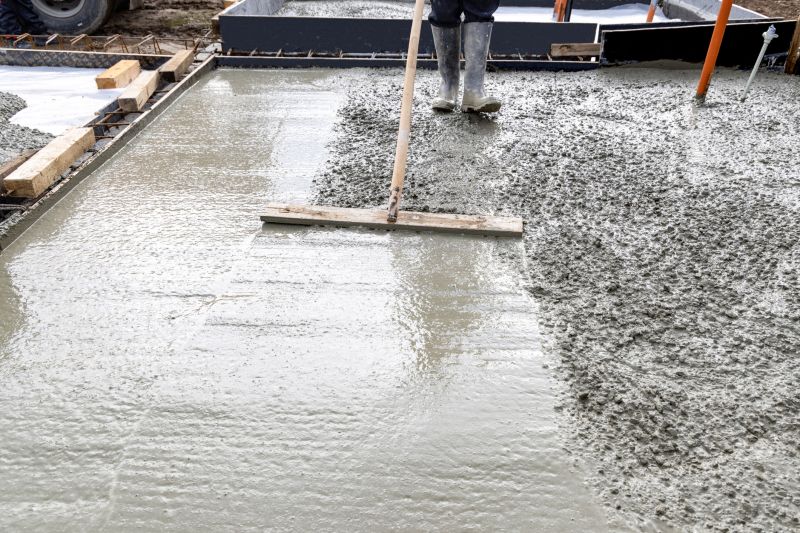
Fall's cooler weather provides a stable environment for concrete repair projects.
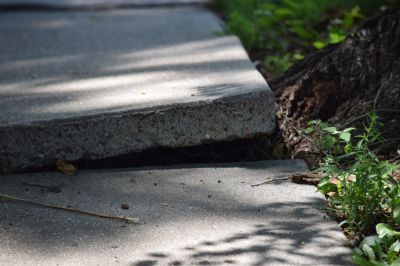
Rain and snow can delay or compromise concrete leveling efforts.
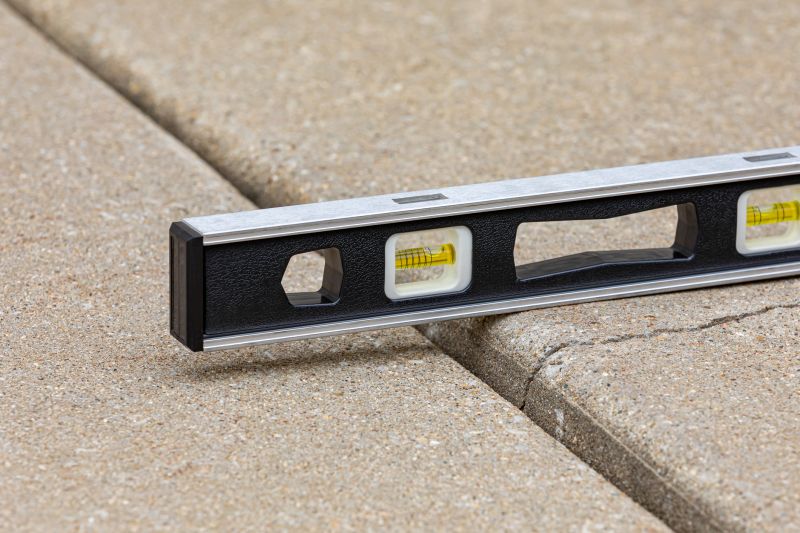
Checking daily temperatures helps determine the best window for scheduling work.
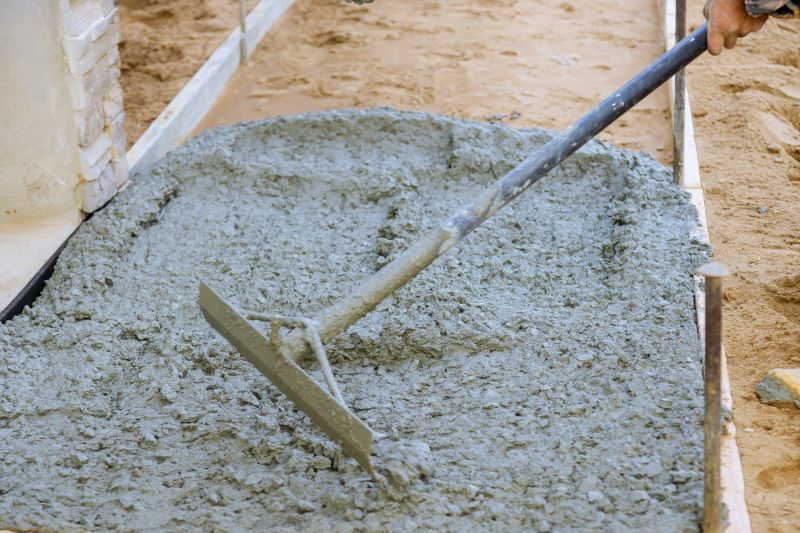
Ways to make Concrete Levelings work in tight or awkward layouts.
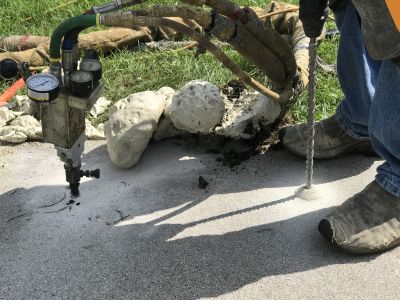
Popular materials for Concrete Levelings and why they hold up over time.
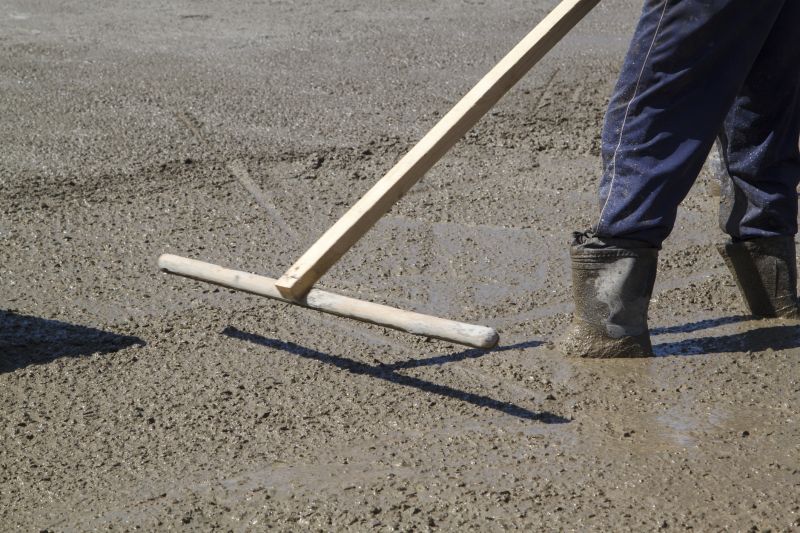
Simple add-ons that improve Concrete Levelings without blowing the budget.
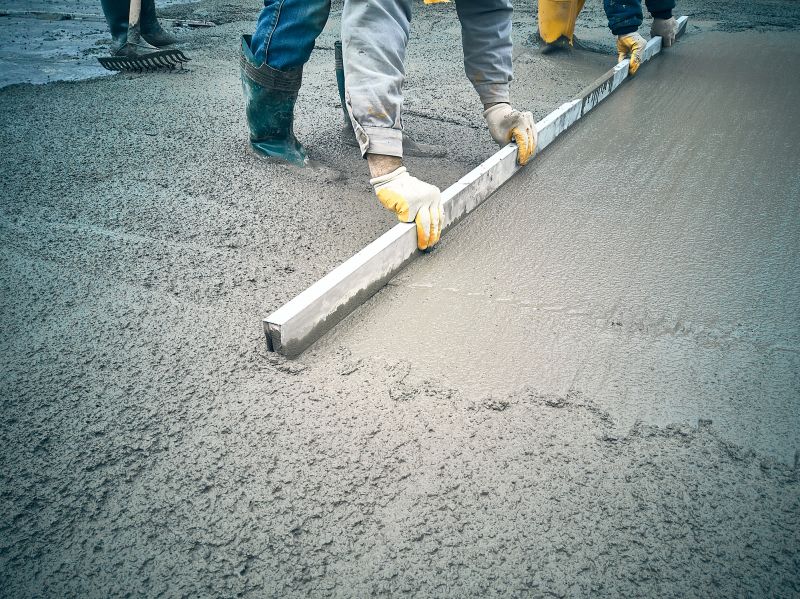
High-end options that actually feel worth it for Concrete Levelings.
| Season | Recommended Conditions |
|---|---|
| Spring | Moderate temperatures, low humidity, dry days |
| Summer | High temperatures, avoid midday heat |
| Fall | Cooler weather, stable temperatures |
| Winter | Not recommended in freezing temperatures |
| Ideal Conditions | Temperatures between 50°F and 85°F, dry weather |
Concrete levelings involve raising and leveling uneven or sunken slabs to restore a flat, stable surface. This process is essential for maintaining the safety and functionality of walkways, driveways, and floors. Proper timing ensures the concrete cures correctly, reducing the risk of future cracks and uneven settling. The success of a leveling project depends heavily on weather conditions, with optimal results achieved during periods of moderate temperature and low humidity.
Statistics indicate that scheduling concrete levelings during favorable weather can extend the lifespan of the repair by up to 30 percent. Proper timing also minimizes the need for future corrections, saving costs and effort in the long run. Ensuring the surface remains dry and temperatures are within the recommended range allows the leveling material to bond effectively and cure uniformly.
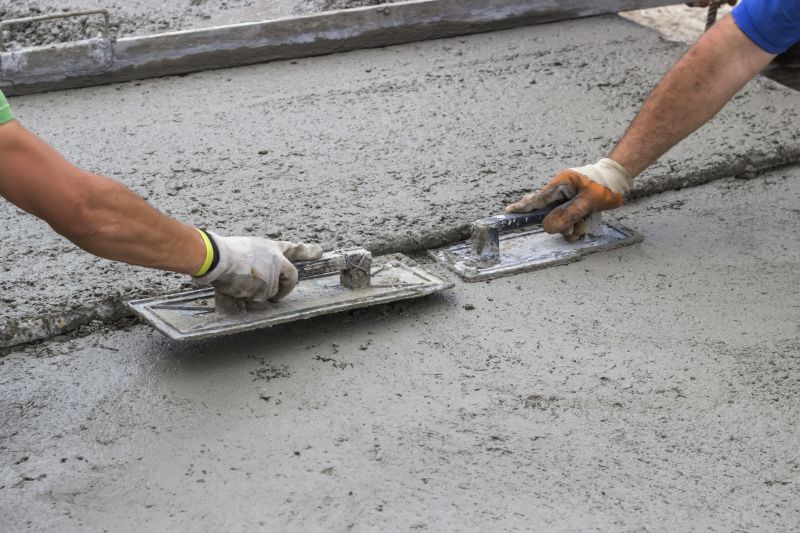
The process involves injecting foam or other leveling materials beneath the slab to raise it to the desired height.
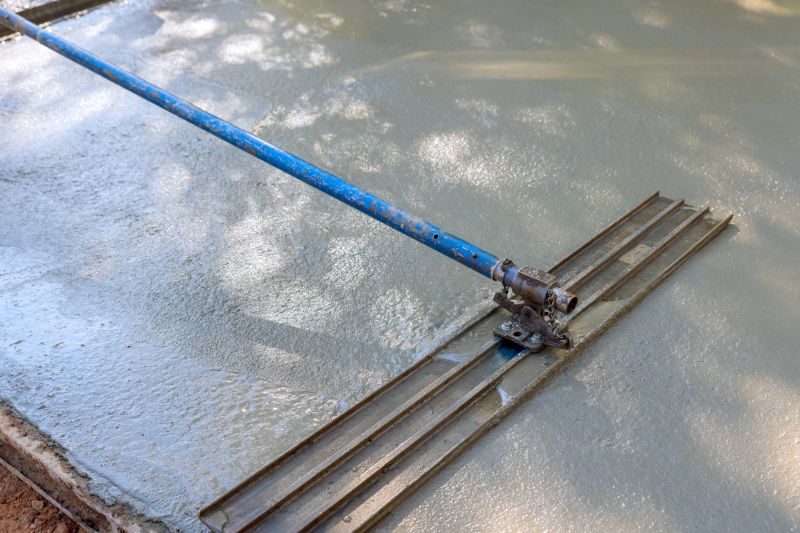
Specialized equipment ensures precise lifting and leveling of concrete surfaces.
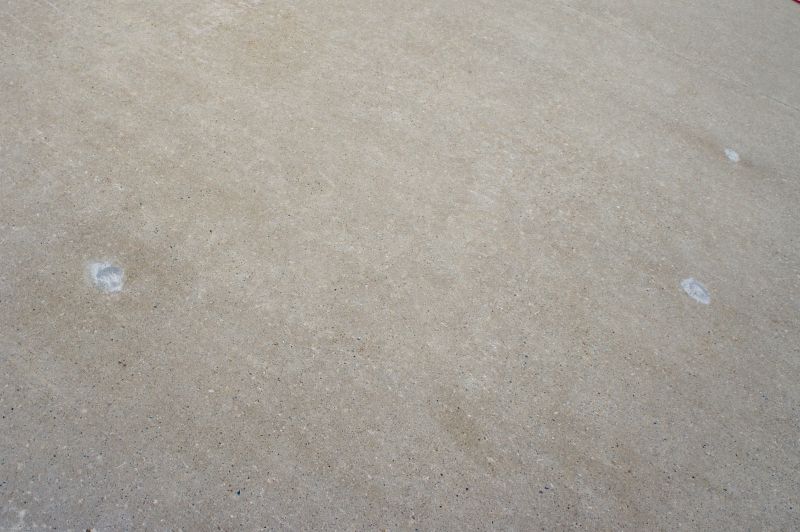
Properly timed and executed leveling results in a smooth, even surface suitable for foot and vehicle traffic.
Regular inspections help identify early signs of uneven settling and plan timely repairs.
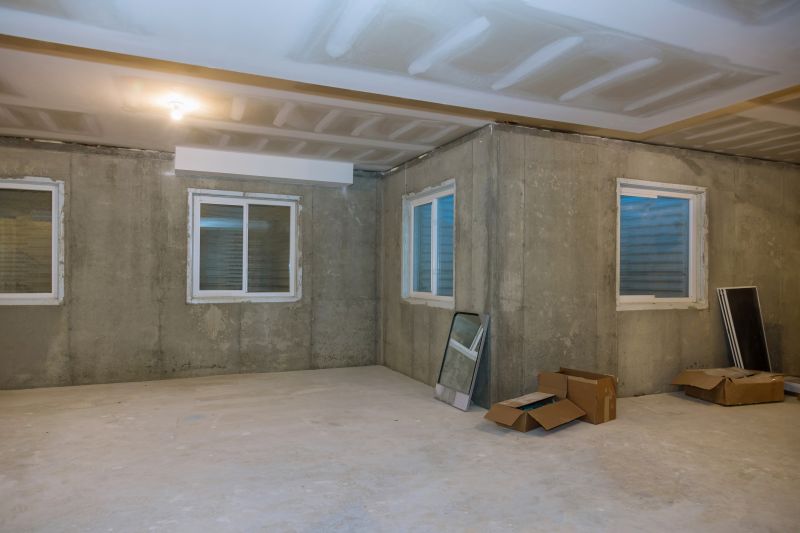
Finishes and colors that play nicely with Concrete Levelings.
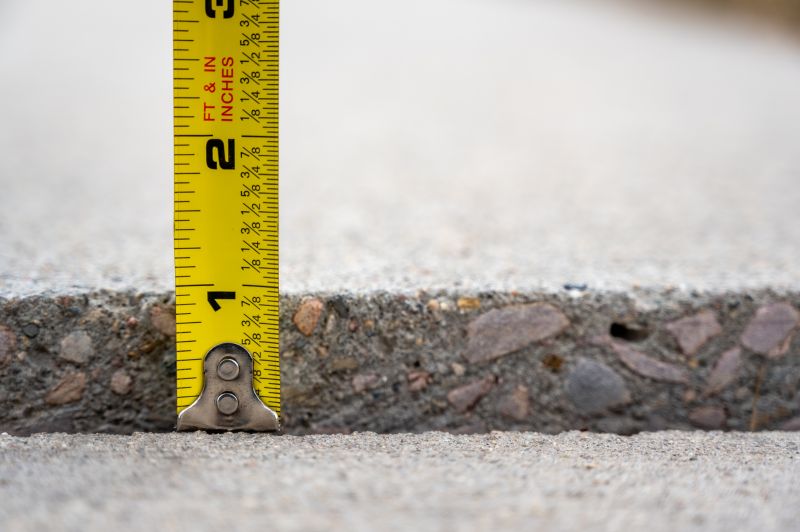
Little measurements that prevent headaches on Concrete Levelings day.
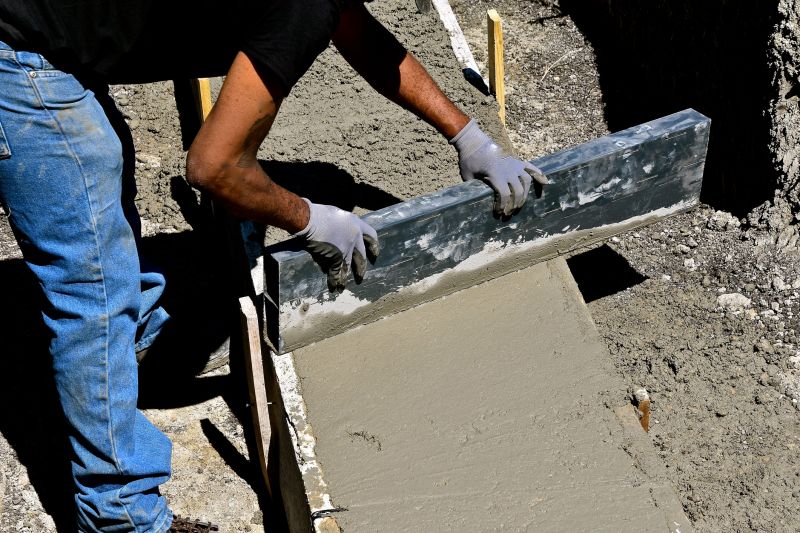
A 60-second routine that keeps Concrete Levelings looking new.
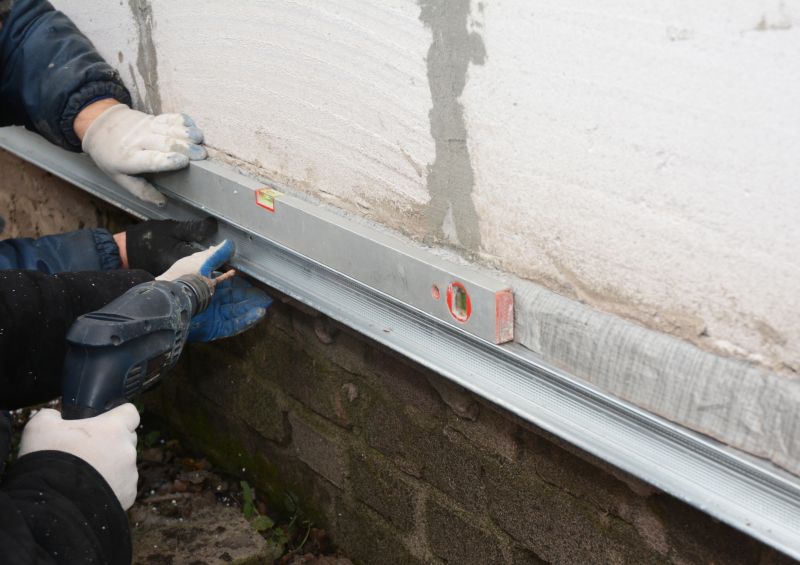
A frequent mistake in Concrete Levelings and how to dodge it.
Interested parties should consider scheduling concrete levelings during the optimal seasons to maximize durability and performance. Contacting a professional at the right time can ensure the project meets expectations and maintains its integrity over time.